
Language Does Not Lie
Victor Klemperer (1881-1960), a professor of literature in Dresden, was Jewish; through the efforts of his wife, he survived the war. From 1933 when Hitler came to power to the war's end, he kept a journal paying attention to the Nazis' use of words. This film takes the end of 1945 as its vantage point, with a narrator looking back as if Klemperer reads from his journal. He examines the use of simple words like "folk," "eternal," and "to live." Interspersed are personal photographs, newsreel footage of Reich leaders and of life in Germany then, and a few other narrative devices. Although he's dispassionate, Klemperer's fear and dread resonate Victor Klemperer (1881-1960), a professor of literature in Dresden, was Jewish; through the efforts of his wife, he survived the war. From 1933 when Hitler came to power to the war's end, he kept a journal paying attention to the Nazis' use of words. This film takes the end of 1945 as its vantage point, with a narrator looking back as if Klemperer reads from his journal. He examines the use of simple words like "folk," "eternal," and "to live." Interspersed are personal photographs, newsreel footage of Reich leaders and of life in Germany then, and a few other narrative devices. Although he's dispassionate, Klemperer's fear and dread resonate
Cast
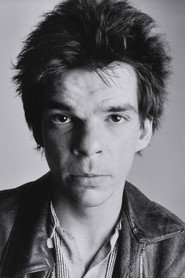
Denis Lavant
Narrator (voice)
You May Like

Karajan: Portrait of a Maestro
★ 7.0

Fox & Penguin
★ 10.0
Sophie Scholl: The Final Days
★ 7.1

Himmlerin kanteleensoittaja
The Language Master
Benito Mussolini: Anatomy of a Dictator
★ 6.4
Во имя живых

The Brave Class
★ 6.7
Hanussen
★ 6.5
The Dead Nation
★ 6.0
Murder in Malexander
★ 8.0
Le Temps des assassins
★ 10.0