Amérique, la nouvelle histoire des premiers hommes
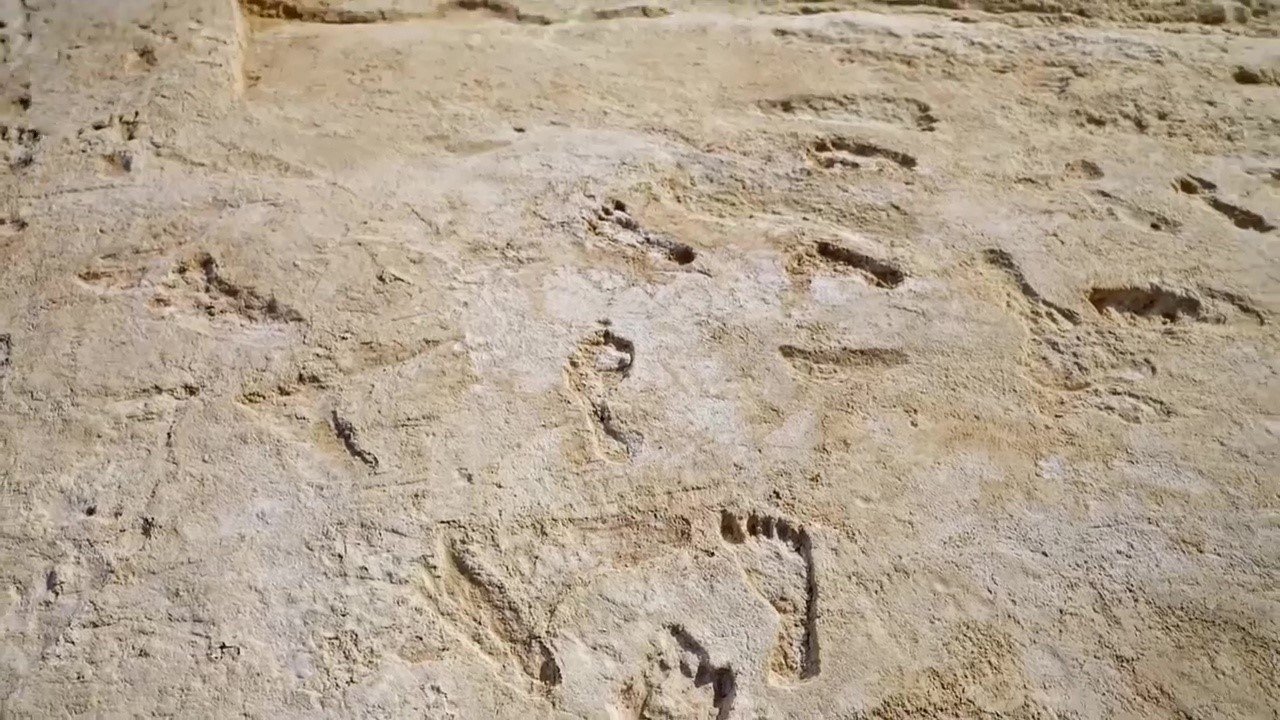
From the far north of Canada to the southern tip of Chile, through the southern United States, central Mexico and the Brazilian Mato Grosso, new concordant but still controversial archaeological discoveries have brought a new paradigm to the archaeology of American prehistory: the appearance of the first humans on the continent could date back to nearly 30,000 years before our era, that is to say, about 15,000 years earlier than the commonly accepted and taught thesis. Although there were a few mavericks in the past who disputed the scenario according to which the first ancestors of Americans arrived on foot through the Bering Strait 16,000 years ago, they were long kept out of the scientific community. From the far north of Canada to the southern tip of Chile, through the southern United States, central Mexico and the Brazilian Mato Grosso, new concordant but still controversial archaeological discoveries have brought a new paradigm to the archaeology of American prehistory: the appearance of the first humans on the continent could date back to nearly 30,000 years before our era, that is to say, about 15,000 years earlier than the commonly accepted and taught thesis. Although there were a few mavericks in the past who disputed the scenario according to which the first ancestors of Americans arrived on foot through the Bering Strait 16,000 years ago, they were long kept out of the scientific community.
You May Like
The Guanche Mummies of Tenerife

Axolotl, la salamandre miraculeuse
★ 9.0

Behind the Walls of the Forbidden City
★ 8.0

Victor Hugo, un siècle en révolutions
★ 8.0

Réunion le volcan rouge
★ 8.0

The Grouper Mystery
★ 8.5

Archäologie 2.0 – Mit Hightech auf Spurensuche
★ 9.0

China - Treasures of the Jade Empire
★ 8.7

The Dig
★ 6.8

Time of the Giants
★ 8.0

Entre a Lei e a Luta
★ 9.0

Auguste Escoffier: The Birth of Haute Cuisine
★ 8.0